Style guide
Brewing Process and Beer Styles
A quick tour through the beer families and classics that shape what ends up in the glass. Each card gives the short version first, then the flavor identity that makes the style worth remembering.
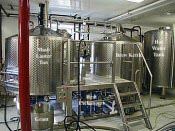
Learn from the experts with an illustrated brewing walkthrough.
From grain and mash to yeast and conditioning, this is the easiest way to connect process with flavor.
Visit How Stuff WorksUse this page for the highlights, then go deeper into the wider beer world.
For a broader overview and more extensive list, Beer Advocate remains a solid rabbit hole.
Browse Beer AdvocateProcess visuals
Brew house to hop character
Top-fermenting yeast, fruity and aromatic.
This category of beer uses yeast that ferments at the top of the vessel, typically at higher temperatures (60°-75°F), resulting in a quicker fermentation and estery, fruity aromas.
Bottom-fermenting yeast, clean and crisp.
Lagers are brewed with yeast that works slowly at cool temperatures (~34°F) and are stored to mature. They have a soft, clean taste and are generally more refreshing and less diverse than ales.
Strong ale, 8–12% ABV.
Very strong, rich, and malty. Sipped and savored.
British-style, hoppy ale.
High hop content, causing bitterness. Classic UK pub style.
Strong, dark German lagers.
Bock is strong and dark; Doppelbock is an extra-strong version.
Mild, brown UK beer.
Gentle, malty, and easy-drinking. Associated with the UK.
Light, hoppy, and floral.
Bohemian style, spicy bitterness, and floral Saaz hops.
Pale golden, dry, and biscuity.
Classic German lager, firm mouthfeel, dry finish, aromatic.
Very strong, dark stout.
Originally brewed for export to Russia. 7–10% ABV, rich and intense.
Strong, hoppy, historic export ale.
Originated in the UK for export to India. Strong, bitter, and aromatic.
Medium-strong, malty lager.
Associated with Oktoberfest and the fall. Malty and smooth.
Fruity, milder IPA.
Milder and fruitier than IPA, with a balanced hop profile.
Clear, carbonated, hoppy lager.
The most imitated beer style in the world. Crisp and refreshing.
Very dark, bitter English ale.
First brewed in 1730. Robust, roasty, and full-bodied.
Sweeter, less hoppy pale ale.
Darker malt, stronger, and less hoppy than English pale ales.
Very dark, heavy, and sweet.
See Oatmeal, Imperial, Dry, Sweet, and Milk for substyles. Rich and bold.
Strong, fruity Belgian ales.
Made by Trappist monks, bottled with active yeast. Complex and unique.
Cloudy, refreshing, clove-like bouquet.
20–60% wheat, often garnished with lemon. Light and lively.